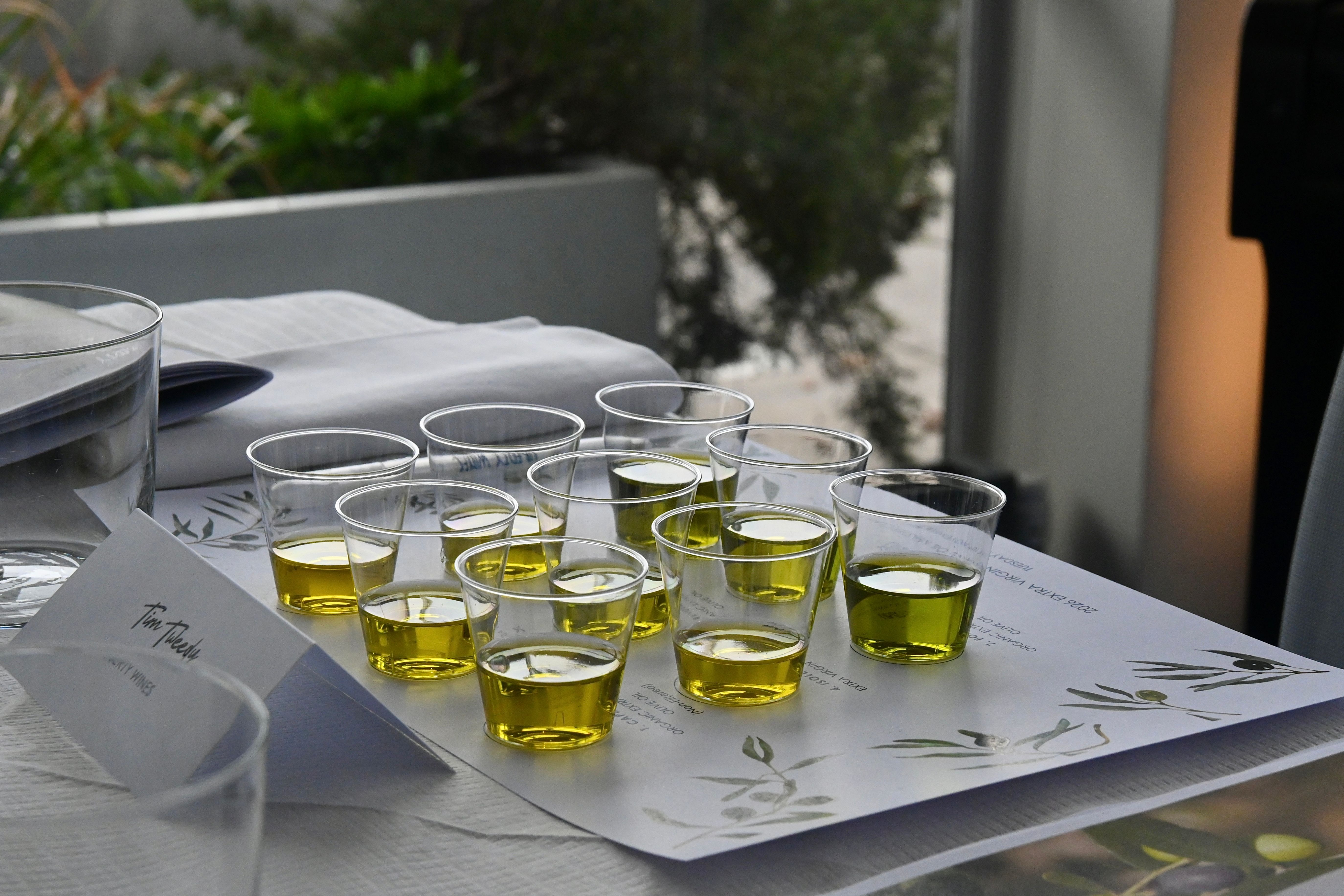
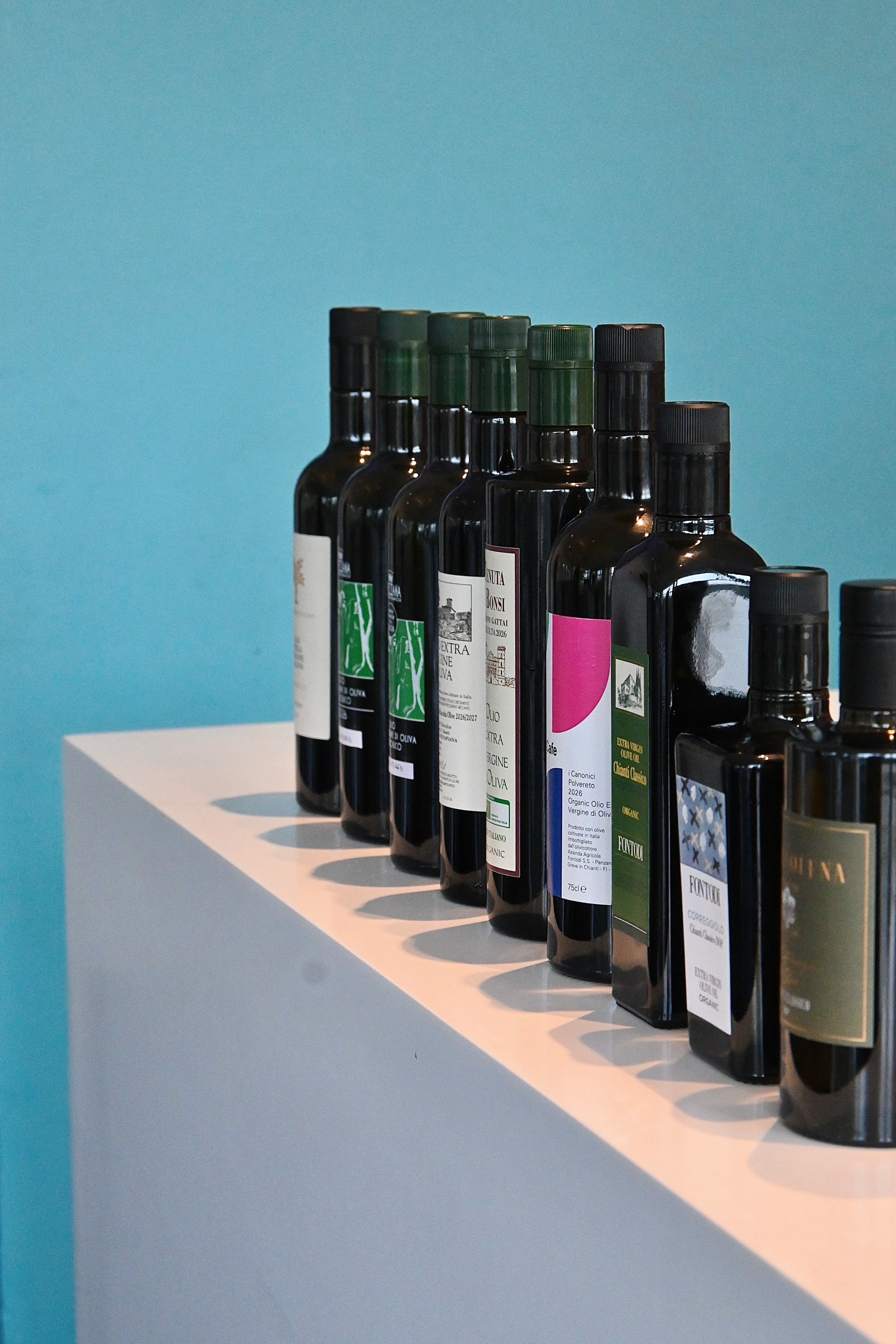
The Italian peninsula is a monument to the olive tree. Italy has 1.2 million olive growers cultivating 584 varieties and close to 150 million trees. There is as much diversity among oils as among wines, and we aim to illustrate this with the oils we offer from Capezzana, Isole e Olena, Tenuta i Bonsi, Poggiotondo, Selvapiana, Fontodi and Le Ferre.
Our focus is on Tuscany, a region that is 23,000 square kilometres in size. The region’s varied topography leads to a tremendous range of styles, as the olive tree is as sensitive to site as a grape variety like Sangiovese.
The 2024 and 2025 vintages were difficult, with challenging growing seasons and low yields. Though quality was still good, the small quantity of oil meant a lot of work went into very little gain. 2026 is the opposite and a return to form, with yields matching the excellent quality we know and love.

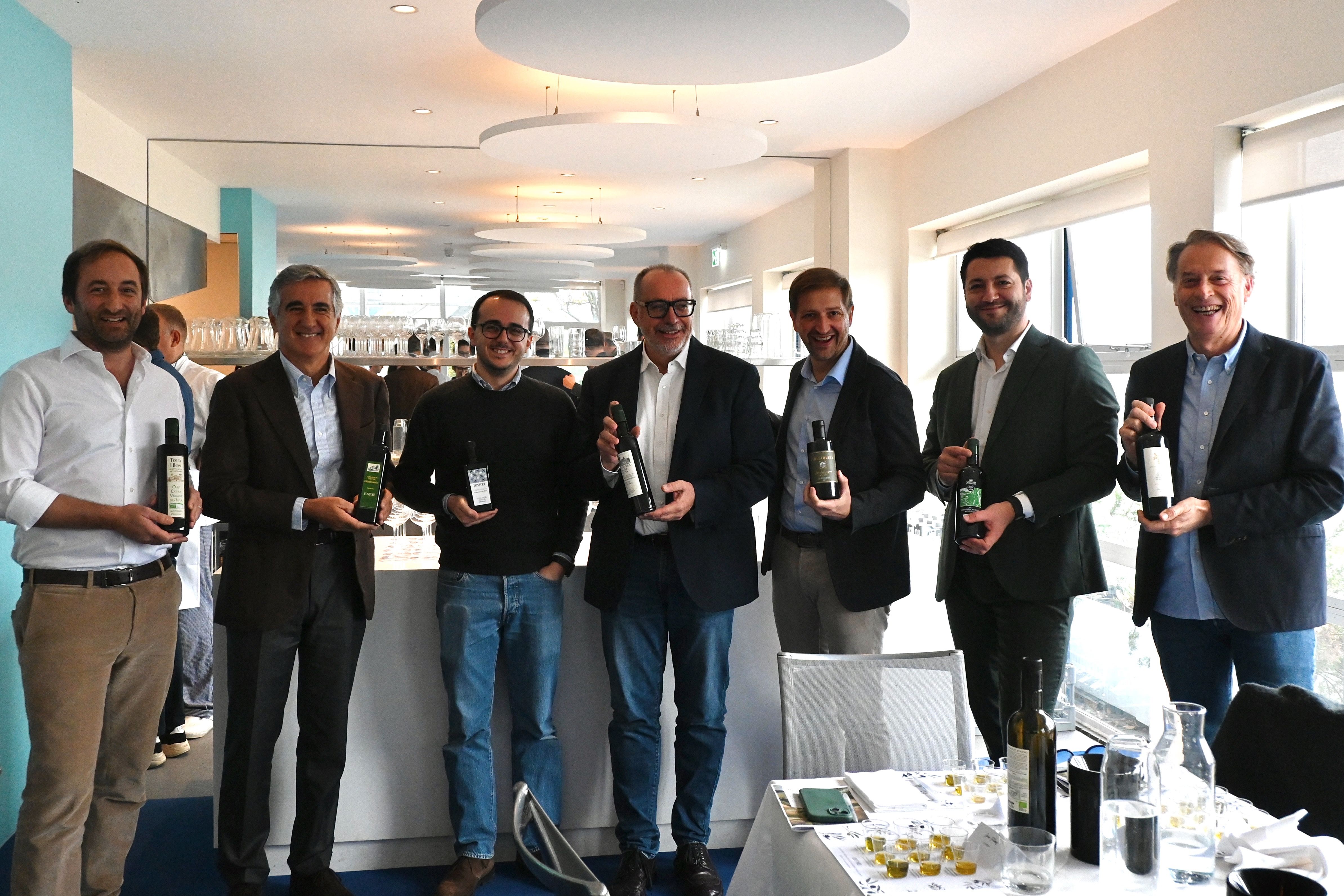
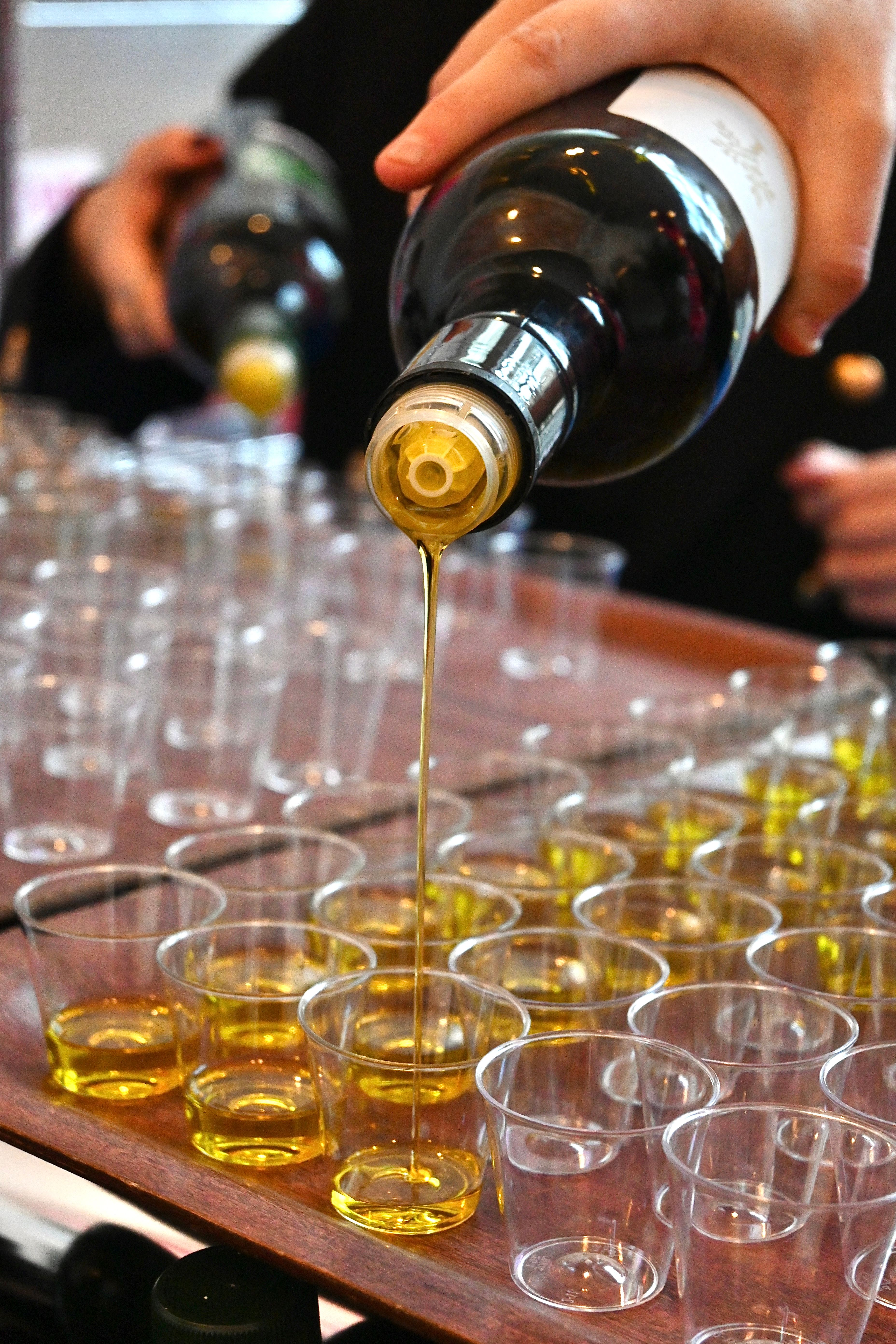
2026 is an excellent year for Tuscan olive oil, with a plentiful harvest of ripe fruit creating oils defined by intensity and spiciness: hallmarks of a great harvest.
A rainy winter and spring replenished soil water reserves and sustained the olive trees through the hot summer. Flowering occurred at the end of May under ideal warm, dry conditions. Unlike in 2025, Olive fly attacks were not an issue in 2026 due to prolonged summer heat, with more than 50 days of temperatures exceeding 35°C.
A dry, sunny September with cool nights provided perfect conditions for the final stages of ripening, and a little rain in the first week of October rehydrated the olives on the eve of the harvest. The harvest was earlier than usual, beginning in the first half of October in dry, mild conditions. The ‘Resa’ (the percentage of olives converted into oil) is slightly lower than average this year, at just over 10%.
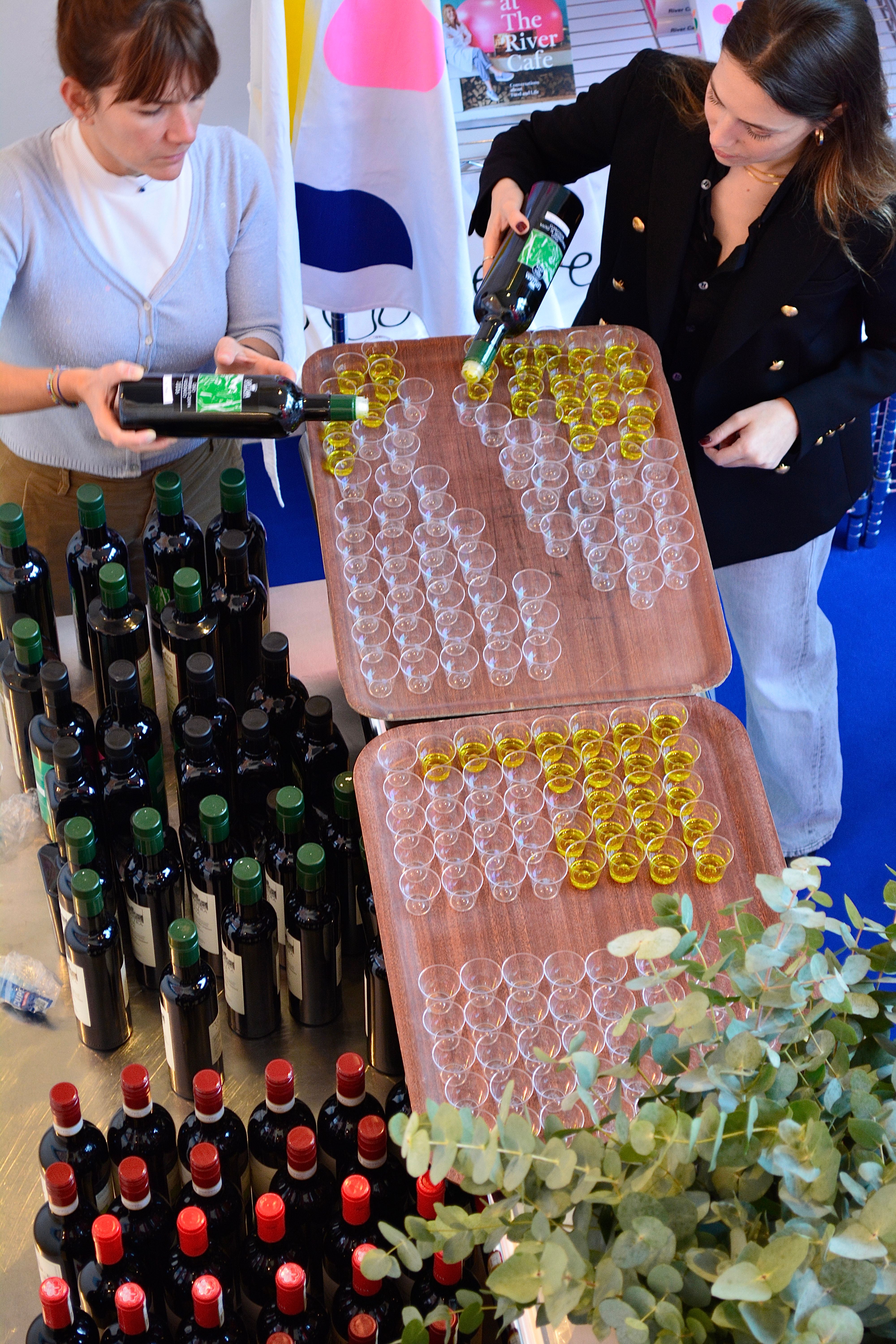
Key Olive Varieties
Italy produces a diverse range of olive oils, with textures and intensities ranging from vibrant green and spicy to soft and fruity, depending on the olive variety and time of harvest.
Frantoio (also known as Correggiolo and Raggiolo) is an ancient Tuscan variety, vigorous, expansive, and late ripening. It produces oil with an intense green colour and a grassy, spicy flavour. Multi-layered and well-balanced, Frantoio offers spicy black pepper flavours with good intensity, alongside a bitter, peppery sensation.
Moraiolo is an earlier-ripening variety, producing a softer, gentler oil than Frantoio, with a slightly more golden colour while still retaining plenty of punch. Both varieties, when grown in the central Tuscan hills, are ideal on beans, in soup, on bruschetta or drizzled on salad leaves and steaks. Conversely, the same varieties grown on the Tuscan coast give a softer oil which is better suited to fish.
Leccino has high vigour and good resistance to cold and pest attacks. Crop levels are generally consistent, and it ripens early. Olive oil made from Leccino is a vibrant lime green, with a good balance of bitter and peppery qualities. It is perhaps the most aromatic of these three key olive varieties, with herbaceous aromas of wild herbs and fresh vegetables. Best enjoyed with light dishes, such as salads, mushrooms, raw and poached fish, veal and poultry.
Pendolino is planted in central Italy and is both cold-resistant and early-ripening. It produces olive oils with a characteristic bright straw-yellow colour, a delicate, refined nose with notes of fresh and bitter almonds and hazelnuts, and a clean, aromatic finish. Particularly recommended with lighter dishes with a touch of sweetness such as poached fish, white bread, and lightly sauced pasta dishes.
Our Extra Virgin Olive Oils are sold on allocation. For more information, please contact your sales representative.